The Berom Compound La'La Berom
A journey into the rich history, culture, and traditions of the Berom people — one of the indigenous ethnic groups of Plateau State, North Central Nigeria.
1 Brief History
The Berom people are found in Plateau State, North Central Nigeria with an estimated population of 1.6 million (National Census, 2006). Their homeland covers Jos North, Jos South, Barkin Ladi and Riyom Local Government Areas with pockets of their population found in Jos East, Mangu and Bokkos Local Government Areas of Plateau State and Sanga Local Government Area of Kaduna State.
📍 Berom Homeland: The Berom people are indigenous to the Jos Plateau, with their traditional territories spanning four major Local Government Areas in Plateau State and extending into parts of Kaduna State.
The Berom people have a rich and complex history that dates back centuries. They are known for their resilience, strong cultural identity, and ability to maintain their traditions despite external pressures. Their history is marked by resistance to colonial rule, preservation of cultural heritage, and a strong sense of community.
2 Neighboring Ethnic Groups
The Berom people share borders with several ethnic groups, each with their own unique cultures and traditions. The following are neighbors to the Berom:
🤝 Cultural Exchange: These neighboring ethnic groups have historically engaged in cultural exchange, intermarriage, and trade with the Berom, contributing to the rich cultural tapestry of the Jos Plateau region.
3 Migration & Origins
Some versions of Berom history hold that the Berom are autochthonous to the Plateau area, implying that there is no known migration of the Berom from anywhere. This version emphasizes the Berom as original inhabitants of the Jos Plateau, with deep ancestral roots in the land.
However, some versions believe that some migration occurred from the North African sub-region through Niger Republic, Sokoto and subsequently to the Jos Plateau. This narrative suggests a longer migration history that connects the Berom to broader West African population movements.
Another narration of the migration school believes that the Berom migrated from somewhere in the Central African area and are linked to the Bantu civilization. This connection suggests a much older history that links the Berom to one of the most significant population movements in African history.
🌍 Bantu Connection: The theory linking the Berom to the Bantu civilization suggests that the Berom may have been part of the ancient Bantu expansion that spread across much of sub-Saharan Africa, carrying with them advanced agricultural and iron-working technologies.
4 The Nok Connection
Bernard Fagg, the renowned archaeologist who studied the Nok culture, points out that the Berom double human headed earthen pot (rweytoh) usually associated with royalty and kept in the custody of a ritual Priest (Gwom Kwit) is clear evidence that the Berom belong not only to the Nok Terracotta ancestry but to the Bantu civilization that dates back to 2000 B.C.
The rweytoh (double human-headed earthen pot) is a significant cultural artifact that demonstrates the Berom's connection to ancient civilizations. These pots were traditionally associated with royalty and spiritual authority, kept by the Gwom Kwit (ritual Priest) and used in important ceremonies and rituals.
🏺 Nok Terracotta Connection: The Berom's rweytoh is directly linked to the Nok Terracotta tradition, one of the earliest and most sophisticated artistic traditions in sub-Saharan Africa. This connection places the Berom within a 4,000-year-old cultural heritage that spans across the West African region.
The Nok culture, known for its distinctive terracotta sculptures, flourished in the area around the Jos Plateau from about 1500 BC to 500 AD. The Berom's cultural artifacts demonstrate a direct continuity with this ancient civilization, suggesting that the Berom are the direct descendants of the Nok people.
5 Unconquered People
Historical accounts have documented the somewhat invincibility of the Berom territory and indeed that of the Anaguta, Buji and Rukuba areas against the Jihadist expeditions of Usman Dan Fodio, Queen Amina of Zazzau and Yakubu I and II of Bauchi.
Oral tradition celebrates this fact — that the Berom have never been conquered by any external force. This remarkable achievement is a source of great pride and identity for the Berom people. The rugged terrain of the Jos Plateau, combined with the Berom's military organization and determination, made their territory difficult to conquer.
⚔️ Never Conquered: The Berom's ability to resist external conquest, including the powerful Jihadist forces of the 19th century, demonstrates their resilience, military prowess, and determination to maintain their independence and cultural identity.
Therefore, the Berom today — whether Christians or Muslims — were never coerced into embracing their chosen faiths and religion. This freedom of religious choice is a testament to the Berom's autonomy and the respect for individual liberty that has long characterized Berom society.
6 Agriculture & Cuisine
The Berom people are predominantly agrarian, cultivating a wide variety of crops that form the basis of their diet and economy.
Crops Cultivated:
Popular Delicacies:
Traditional Berom dish, a staple delicacy enjoyed across the region
A preferred cereal for diabetics the world over; nutritious and healthy
Garnished beef, chicken and game with Black Beniseed powder; nationally and internationally renowned
🌾 Agricultural Heritage: The Berom people's agricultural practices, including the cultivation of indigenous crops like Fonio (Acha) and Chun, represent a rich agricultural heritage that has sustained the community for generations. Chun, in particular, is recognized globally as a preferred cereal for diabetics.
In addition to crop cultivation, a significant number of Berom households also practice animal husbandry, raising livestock such as cattle, goats, sheep, and poultry, which contribute to the family's nutrition and income.
7 MOTNA & The Berom Compound
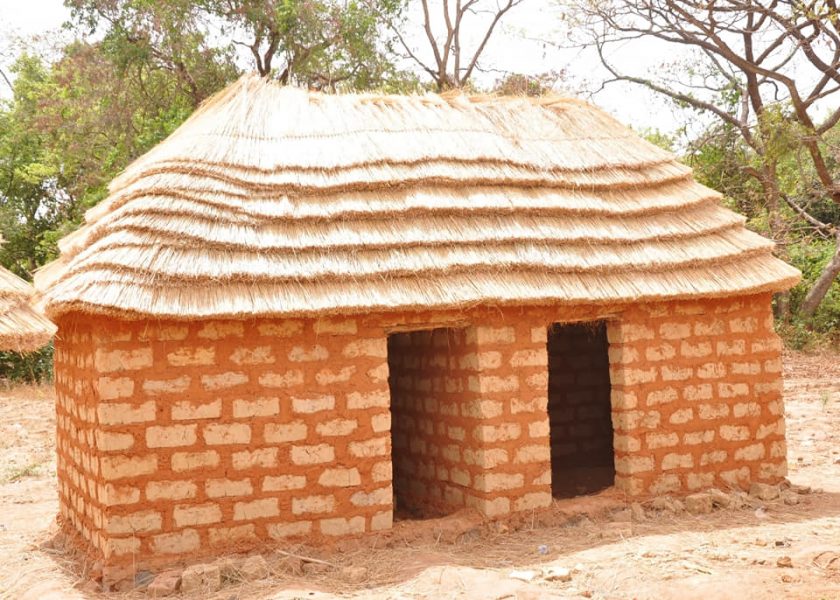
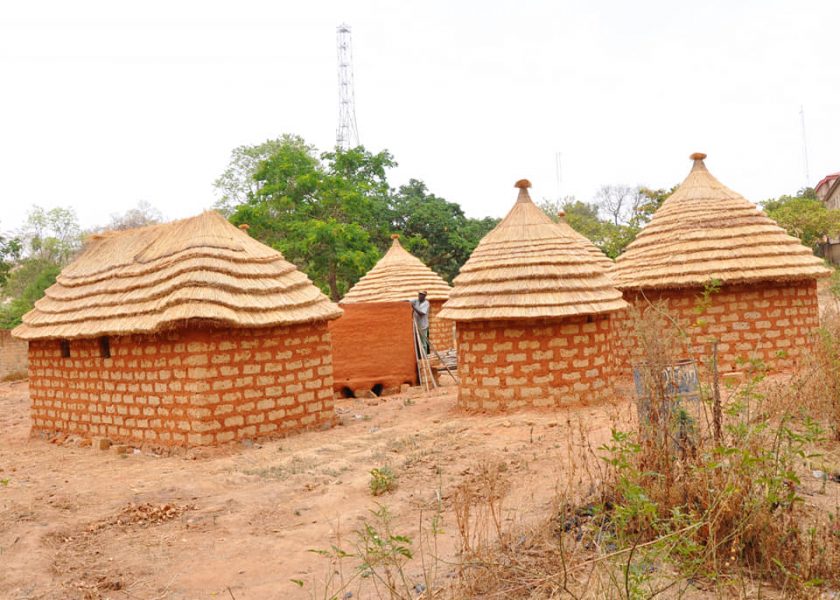
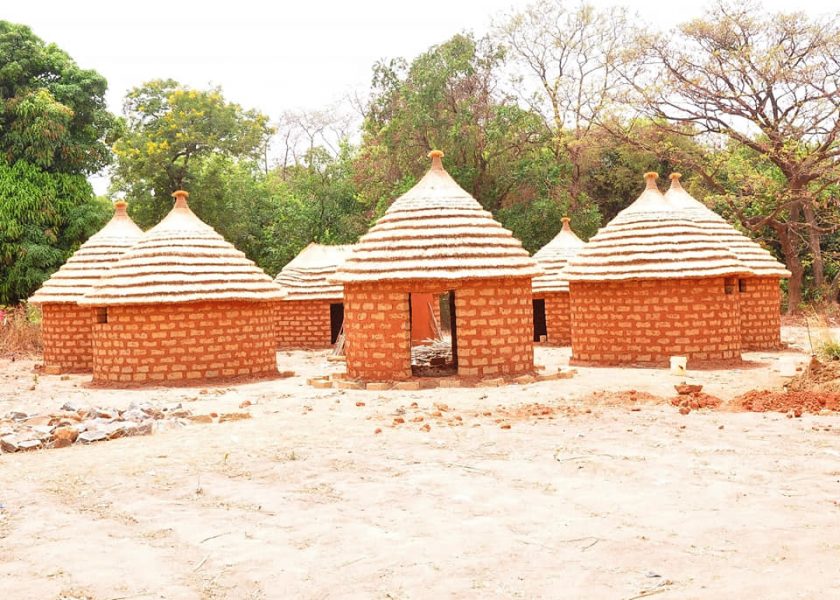
MOTNA came up with the concept and so the Berom people designed and built the present compound.
The Berom practiced a distinctive style of living where a household that is blessed will have different compounds. A household is referred to as "LO" meaning "House" made up of many compounds. The Berom compound is therefore called "La'La" as it is a single house.
🏠 Understanding La'La: The term "La'La" in Berom refers to a single compound, while "LO" represents a larger household made up of multiple compounds. This distinction reflects the organized and structured nature of Berom family and community life.
MOTNA (which stands for Museum of Traditional Nigerian Architecture) played a pivotal role in bringing the concept of the Berom Compound to life. The vision was to create a living museum that would showcase the traditional architectural artistry of the Berom people and serve as a cultural center for preservation and education.
The Berom people, in collaboration with MOTNA, designed and built the present compound as a testament to their rich architectural heritage. The compound stands as a proud symbol of Berom identity, showcasing traditional building techniques, materials, and designs that have been passed down through generations.
8 Architectural Design of La'La
The Berom compound follows a carefully planned architectural design that reflects the traditional Berom way of life. Each structure within the compound has its own specific purpose and significance.
Key Architectural Features:
The main entrance to the compound, welcoming visitors and marking the boundary between the outside world and the sacred space of the home.
The father's room, serving as the head of the household's private quarters and a place of authority within the compound.
The designated area where Chun (a traditional cereal) is pounded, an essential activity in Berom food preparation.
The granary or silo where grains are carefully stored, ensuring food security for the household throughout the year.
Additional Compound Features:
- 🌿 Vwi — The Compound Farm: Located at the back of the compound, the Vwi serves as a small-scale farm where vegetables and other crops are cultivated to supplement the household's food supply.
- 🍳 The Berom Kitchen: Coming up side by side with the compound, the kitchen is designed to serve authentic Berom cuisine to the general public, keeping the compound busy and vibrant.
- 🎨 Traditional Decor: Each hut features traditional Berom motifs and decorative patterns that tell stories of the community's history and values.
- 🛠️ Construction Materials: The compound is built using traditional materials including mud, thatch, wood, and locally sourced stones, reflecting the sustainable building practices of the Berom people.
🏗️ Living Heritage: The Berom Compound (La'La) is more than just a collection of buildings — it is a living museum that preserves and celebrates Berom architectural traditions. The inclusion of the kitchen to serve Berom cuisine to the public ensures that the compound remains an active center of Berom culture and hospitality.
The intention is to keep the compound busy by serving Berom cuisine to the general public. This initiative not only preserves Berom culinary traditions but also provides a source of income and employment for the community, ensuring the compound's sustainability for future generations.
Visitors to La'La Berom can expect to experience authentic Berom hospitality, taste traditional dishes, and learn about the rich cultural heritage of the Berom people through the compound's architecture, artifacts, and activities.
Copied!
Copied to clipboard